



Best Trees and Plants for Bees and Butterflies
When thinking about pollinators we are usually thinking about bees and butterflies on colourful flowers during the sunny summer months. But did you know pollinators need support throughout the entire year, even in colder weather?
Four Season Pollinator Garden Ideas
Just like us, pollinators need a steady food supply, shelter and safe place to rest. By planting strategically and incorporating a variety of plant types you can create a true four season buffet that keeps your garden bussing with life all year round.

How to Support Pollinators Year-Round
| Pollinator | Favourite Flowers | Bonus Tip |
|---|---|---|
| Bees | Blue, yellow and purple blooms | Prefer flat or tubular shapes |
| Butterflies | Brightly coloured, wide landing pads | Need sunny spots and nectar |
| Hummingbirds | Red tubular flowers (like salvia) | Love feeders and running water |
| Moths | Night-blooming, pale flowers | Scent is more important than colour |
| Beetles | Open bowl-shaped flowers | Like spicy or fruity scents |
Summer
Let’s start with the summer season. Summer is prime time for pollinator activity, packing your garden with nectar-rich flowers of all shapes and sizes is key. Our top summer picks include:
- Bee Balm (Monarda)
- Lavender
- Coneflower (Echinacea)
- Butterfly Bush (Buddleia – choose sterile/ non-invasive varieties)
Tip: Plant in clumps/drifts (groups of the same flower) so pollinators can forage more efficiently

Autumn
Next up is Autumn or Fall where pollinators are fueling up for migration and hibernation. As days start to shorten, many pollinators are in need for late-season blooms. Our top autumn picks include:
- Sedum (autumn joy)
- Asters
- Joy-Pye Weed
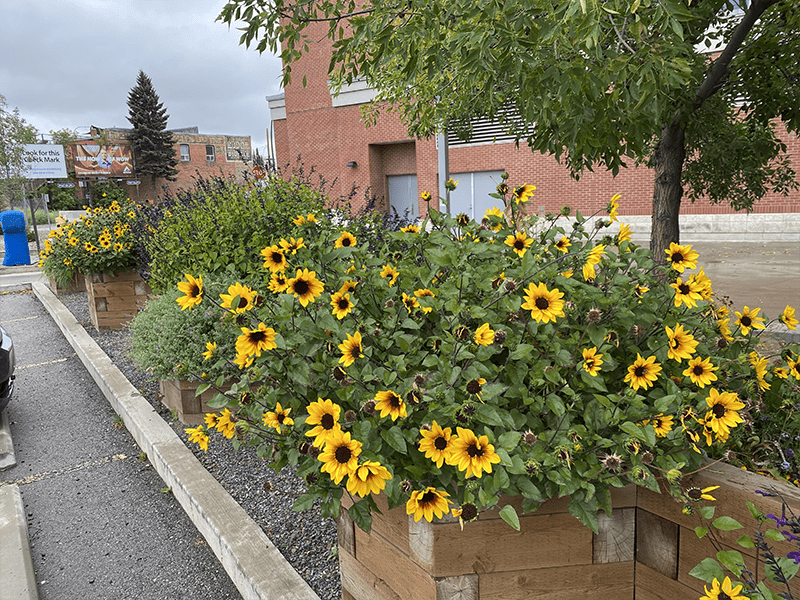
- Sunflowers
Tip: Let some herbs like basil or mint flower late into the season, pollinators love them!
Winter
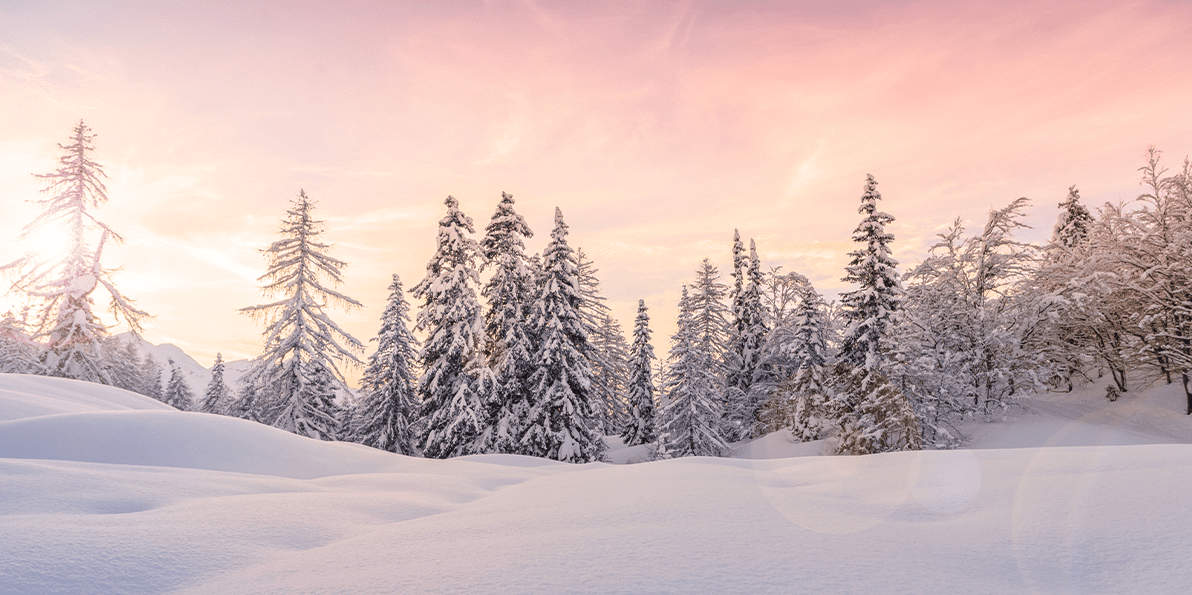
Next is Alberta’s favorite season… Winter! While most of the flowers are gone, winter still plays a role in supporting pollinators. Winter Strategies:
- Leave seed heads standing (coneflowers, grasses etc.)
- Avoid cutting back hollow stems – they shelter overwintering insects
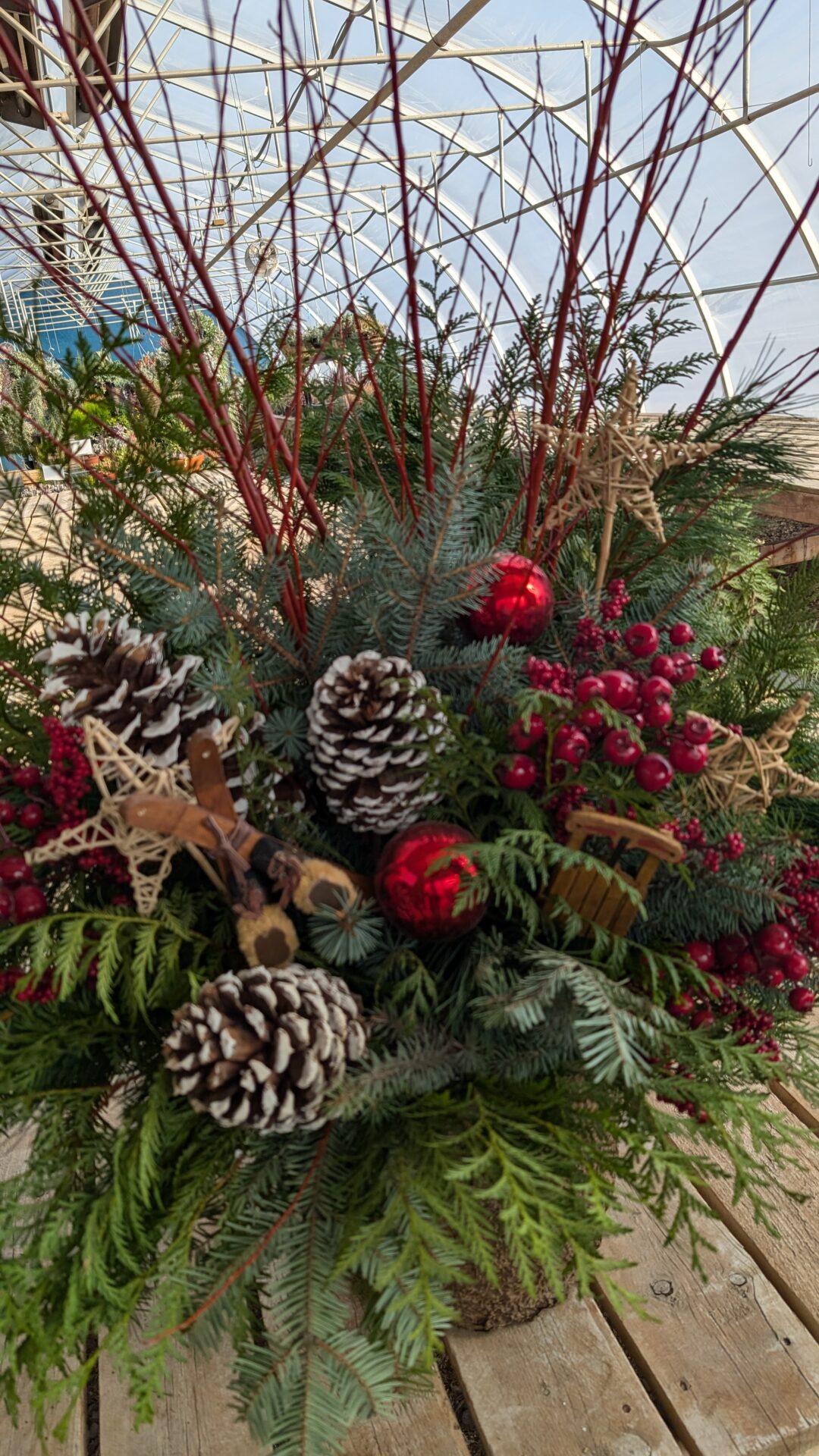
- Provide evergreen shrubs and brush piles for cover
- Install pollinator hotels or leave natural crevices for nesting
Tip: Plant early-blooming shrubs (like witch hazel) to bridge the gap between winter and spring.
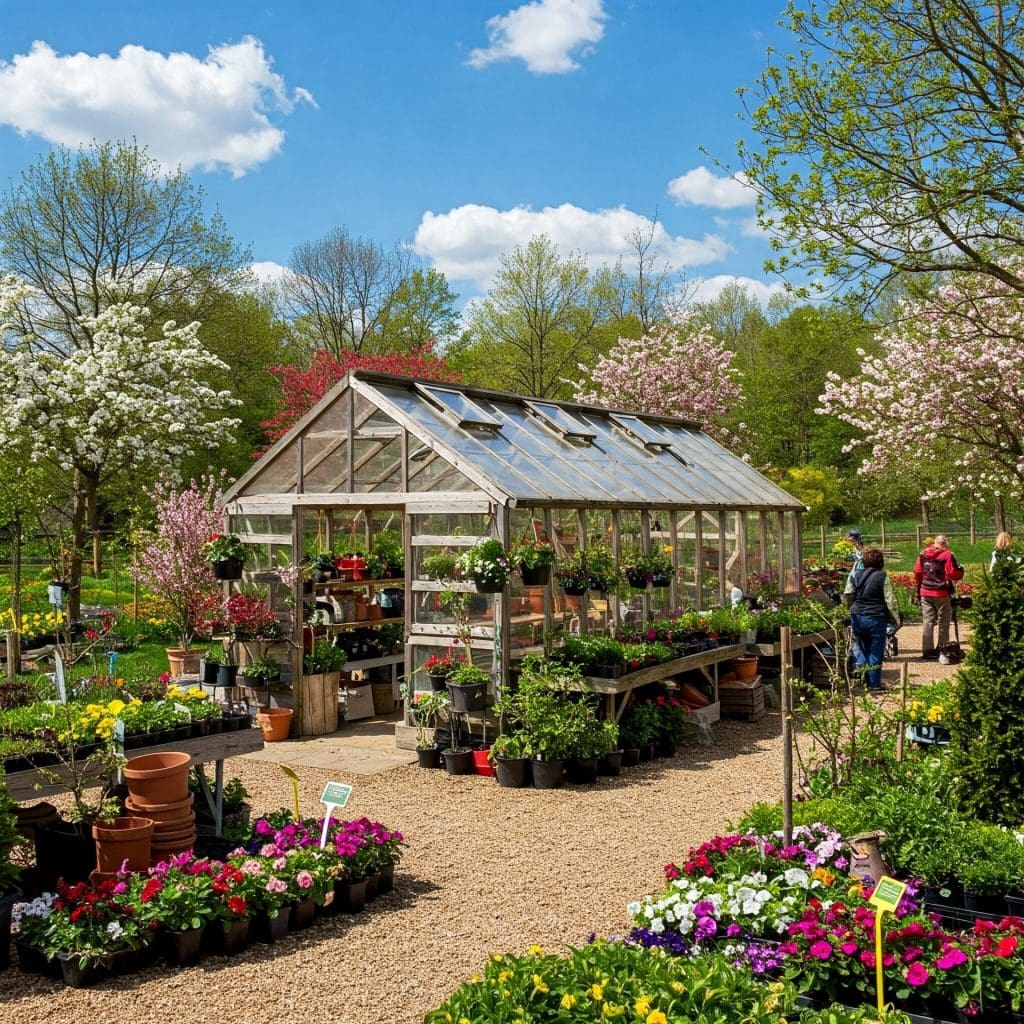
Spring
Lastly is Spring. Building a pollinator habitat includes providing water, avoiding pesticides, planting native plant species and including host plants. Provide water by having shallow dishes with stone for landing spots.
Native plant species are more attractive to local pollinators due to them being better adapted to these types of plants. Host plants refer to the specific plants that insects, like butterflies and moths rely on for survival for either a place to nest or as a food source for their larvae (caterpillars).